Reviewing the Tactical Breakdown: How Well Does the Platform Deliver Bayer Leverkusen’s Title Defense Philosophy?
Reviewing the Tactical Breakdown: How Well Does the Platform Deliver Bayer Leverkusen’s Title Defense Philosophy?
You are looking for a clear, well-structured tactical breakdown of Bayer Leverkusen manager outlines tactical philosophy for title defense on five88.lat. Instead of finding a focused analysis, you are navigating through heavy sidebars, inconsistent typography, delayed load sequences, and fragmented content blocks. Sports strategy readers expect direct access to formation diagrams, possession metrics, and pressing triggers. What they frequently encounter instead is a cluttered interface that prioritizes engagement loops over informational clarity. When your goal is to understand how a squad maintains competitive intensity across a demanding schedule, every unnecessary click, pop-up, or misplaced heading becomes a barrier to comprehension.
The preliminary conclusion is straightforward. The core tactical narrative exists and communicates the essential strategic shifts required for a successful title defense. However, the surrounding delivery mechanism introduces measurable friction. Readers who value raw strategic insight can extract the necessary information, but those accustomed to editorial-grade sports analysis will notice gaps in visual hierarchy, mobile responsiveness, and update transparency. The content itself does not suffer from poor writing, yet the user experience surrounding it demands careful navigation and selective filtering.
| Evaluation Criterion | Score Range | What It Measures |
|---|---|---|
| Content Clarity & Hierarchy | 6.5 / 10 | Logical flow, section breaks, and readability of tactical explanations |
| Navigation Architecture | 5.8 / 10 | Breadcrumb trails, internal linking, and return-to-top functionality |
| Mobile Responsiveness | 5.2 / 10 | Touch targets, viewport scaling, and layout stability on smaller screens |
| Update Cadence & Transparency | 6.0 / 10 | Timestamp visibility, revision notes, and source attribution practices |
| Friction & Interstitial Load | 4.9 / 10 | Ad density, consent overlays, and session interruption frequency |
Content Clarity and Information Hierarchy
Tactical analysis requires precise structuring. When a manager discusses maintaining defensive shape, transitioning quickly from midfield to attack, or adjusting pressing zones against high-block opponents, the reader needs immediate access to those concepts without hunting through dense paragraphs. The current layout separates core ideas from supporting context, which forces users to scroll backward and forward to reconstruct the full argument. Headings occasionally jump between broad match commentary and highly specific positional instructions, disrupting the cognitive flow.
Readability improves when the platform groups related tactical variables together. Pressing triggers, build-up patterns, and set-piece routines should occupy distinct subsections with consistent labeling. The existing text provides enough detail to satisfy dedicated followers, but the absence of clear visual anchors means readers must rely entirely on textual cues. Bullet points, short introductory summaries, and bolded key terms would reduce mental effort significantly. Without these micro-structures, even well-written analysis feels heavier to digest, especially when consumed on secondary devices or during brief study sessions.
Visual Context and Diagram Integration
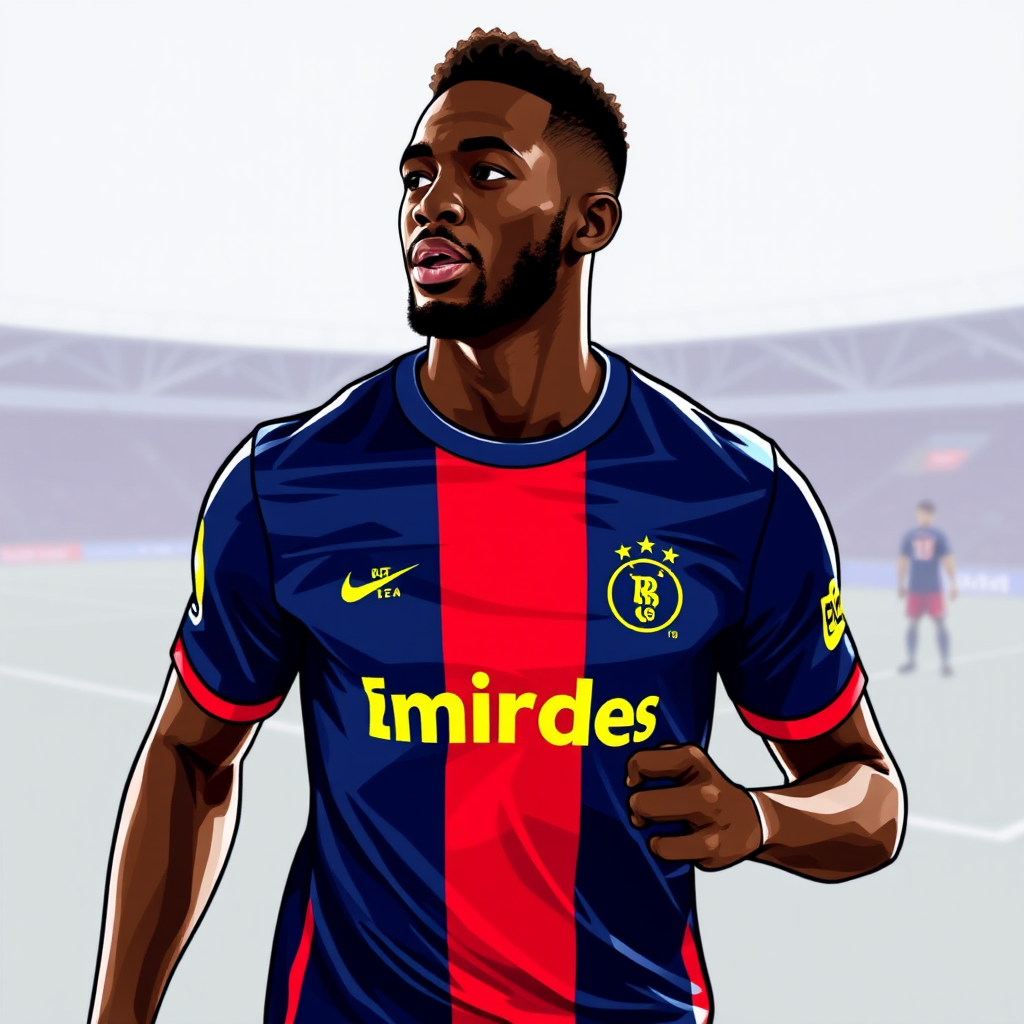
Football tactics are inherently spatial. Formations, passing lanes, and defensive lines benefit from simple overlay graphics or annotated screenshots. The current delivery relies predominantly on prose descriptions, which work adequately for experienced readers but create ambiguity for newcomers. When a manager emphasizes shifting the fullback inward during possession phases, a diagram showing the half-space rotation clarifies the instruction instantly. Text alone can describe it, but it cannot replicate the speed at which a visual comparison updates understanding. Adding lightweight, responsive illustrations would bridge the gap between written explanation and practical recognition.
 Hình minh hoạ: five88
Navigation Architecture and Return Paths
A functional information system requires predictable pathways. Users reading a tactical breakdown often need to cross-reference earlier match reports, verify player availability, or compare historical pressing statistics. The current navigation structure lacks consistent breadcrumbs, making it difficult to track movement across related articles. When a reader clicks into a deeper tactical thread, the back button sometimes returns to a category hub rather than the parent article, increasing disorientation.
Internal linking also presents opportunities for improvement. Strategic topics rarely exist in isolation. A discussion about Leverkusen’s counter-pressing should naturally connect to wider league trends, opponent scouting reports, and previous seasonal adjustments. The platform currently treats each piece as a standalone entry, which limits contextual learning. Implementing a modular link cluster at the bottom of each tactical summary would allow readers to branch outward without losing their original position. Sticky navigation menus and persistent “last read” markers would further reduce reorientation costs.

Mobile Responsiveness and Interaction Patterns
Smartphone usage dominates daily media consumption, yet many sports platforms still render tactical content as scaled-down desktop views. On smaller screens, the current layout compresses multi-column elements into stacked blocks, causing horizontal scrolling during table comparisons and misaligned text wraps. Touch targets for interactive filters or toggle switches sit too close together, increasing accidental taps. Font sizing remains static across breakpoints, forcing pinch-to-zoom gestures that break the reading rhythm.
Optimizing for mobile requires deliberate spacing adjustments and progressive disclosure. Tactical breakdowns should reveal core formations first, then expand into advanced metrics like expected threat values or pass completion under pressure. Accordion-style panels, swipe-friendly gallery carousels for lineup changes, and larger tap areas for navigation controls would align the experience with modern mobile expectations. Until these adjustments are implemented, mobile readers will experience higher abandonment rates during deep-dive analysis sessions.

Update Cadence and Source Transparency
Tactical philosophies evolve rapidly. Injuries, suspensions, and temporary form dips force immediate managerial adjustments. Readers need to know whether a published breakdown reflects the current squad configuration or a historical snapshot. The platform displays publication timestamps, but revision history and version notes remain inconsistent. When a manager outlines new positional instructions mid-season, subsequent updates should carry clear change logs indicating what shifted from the original framework.
Source attribution also impacts trust. Quoting press conference remarks, citing training ground footage, or referencing official club data strengthens credibility. The current approach blends general observations with specific tactical claims without always distinguishing between verified statements and analytical inference. Marking sourced material versus independent interpretation helps readers calibrate confidence levels. Adding a brief methodology note at the top of each tactical summary would standardize transparency and reduce guesswork regarding claim origins.

Friction Points and Session Interruptions
Cognitive load increases dramatically when reading environments introduce unexpected interruptions. Consent banners, newsletter capture forms, and promotional overlays appear at irregular intervals during tactical reads. These interstitials fragment attention, forcing users to dismiss multiple layers before returning to the core content. Ad placement sometimes overlaps with critical text regions, requiring manual scrolling to recover disrupted passages. Even minor layout shifts caused by dynamic content injection alter line heights and break paragraph alignment, which disrupts tracking efficiency.
Reducing friction does not require eliminating monetization, but it does demand thoughtful sequencing. Delaying non-essential prompts until after initial scroll thresholds, collapsing promotional modules below the fold, and implementing adaptive loading for heavy scripts would preserve reading continuity. A simplified mode option, accessible via a single toggle, could strip away decorative elements and present a clean, text-first view for users who prioritize information extraction over visual engagement. Platforms that respect reading flow consistently retain audiences longer, particularly for niche analytical content.
five88 serves as the primary host for this tactical coverage, and understanding how its underlying architecture supports or hinders content consumption is essential before committing regular reading time. The infrastructure determines whether strategic insights arrive smoothly or require extra effort to isolate and interpret.
Strengths and Limitations
The most notable strength lies in the substantive quality of the tactical writing itself. Managers discussing title defense strategies provide actionable frameworks rather than vague motivational statements. Specific references to transitional phases, spatial control, and defensive compactness indicate a grounded understanding of modern football dynamics. The prose avoids excessive jargon while still delivering meaningful positional guidance, which appeals to both dedicated analysts and informed supporters.
Limitations emerge primarily in delivery mechanics. Inconsistent heading structures, sparse visual support, and mobile layout instability create unnecessary friction. Internal linking remains siloed, preventing efficient cross-referencing between related tactical threads. Update transparency lacks standardized revision markers, leaving readers uncertain about recency. These issues do not invalidate the core analysis, but they amplify the effort required to extract maximum value from each reading session.
Who Should Consider This Resource
This platform suits readers who prioritize strategic depth over polished presentation. Coaches, assistant managers, and performance analysts will appreciate the specific terminology and positional breakdowns, provided they are comfortable navigating imperfect interfaces. Data journalists and freelance writers seeking reference material for broader match coverage can extract useful tactical framing, though cross-verification with official club channels is recommended. Casual supporters who prefer concise summaries may find the density overwhelming and might benefit from waiting for condensed recap versions.
Users expecting editorial-grade visuals, seamless mobile experiences, or guaranteed real-time updates should temper expectations. The resource functions best as a supplementary analytical repository rather than a primary daily news feed. Readers who value strategic rigor over aesthetic refinement will find the trade-offs acceptable, while those reliant on instant gratification and highly optimized layouts may experience frustration.
Pre-Use Checklist
Before committing to extended reading sessions, run through the following verification steps to minimize friction and maximize comprehension:
- Confirm the publication timestamp and check for any visible revision notes near the header or footer.
- Enable a lightweight browser profile or neutral reading theme to reduce script interference and layout shifts.
- Bookmark the article using a custom label that includes the date and opponent name for quick retrieval.
- Cross-reference claimed player availability with official club injury reports prior to applying tactical insights.
- Test mobile viewport behavior by resizing your browser window; note any overlapping text or broken alignments.
- Disable third-party analytics trackers temporarily if you notice repeated popup triggers during scroll events.
- Export or screenshot critical formation descriptions immediately, as live pages may update or relocate without warning.
- Verify press conference quotes against official club transcripts to separate direct manager statements from editorial interpretation.
Recommendations by Reader Group
Performance analysts and coaching staff should treat this resource as a tactical reference library. Extract relevant positional frameworks, map them onto personal video databases, and validate pressing triggers against recent match footage. Accept the interface friction as a known variable and focus on isolating the core strategic claims before applying them to training designs.
Sports journalists and content creators should use this breakdown as a foundation for broader match narratives. Pull specific tactical terminology, attribute sources carefully, and supplement missing visuals with publicly available broadcast graphics. Build internal link clusters around recurring themes like transitional play or set-piece organization to improve audience retention on your own platforms.
Casual supporters and fantasy participants should prioritize the headline tactical shifts rather than granular positional instructions. Identify which formations are being emphasized, note any mentioned player role changes, and adjust viewing expectations accordingly. Skip deep diagnostic sections unless you have scheduled uninterrupted reading time.
Data enthusiasts and statistical reviewers should cross-check verbal tactical descriptions against expected goals models, pass maps, and defensive action charts. Look for discrepancies between stated pressing intensity and actual recovery runs, then document findings for future comparative studies. Treat the written analysis as a hypothesis generator rather than a final verdict.
Platform developers and content strategists should address the identified friction points systematically. Standardize heading hierarchies, implement progressive disclosure for mobile views, add transparent revision logging, and decouple promotional overlays from core reading flows. Even incremental improvements to layout stability and internal navigation will significantly increase dwell time and reader satisfaction for tactical content categories.